United Silver vs Gold Status: Which Should You Target?
Silver and Gold differ more than you'd expect. This breakdown shows which flyers get real value from each tier — and when to skip Silver entirely.
Quick Answer
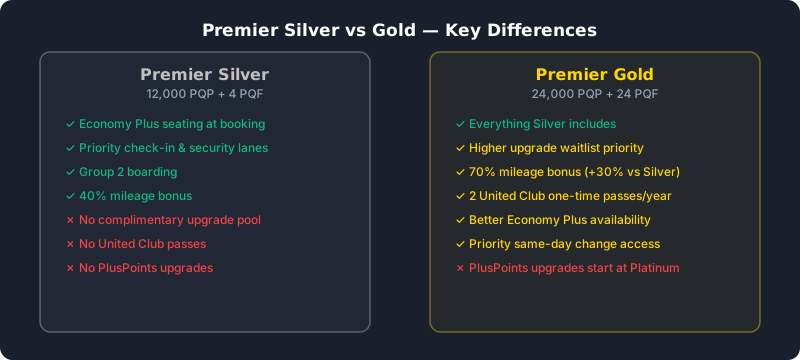
Silver (12,000 PQP) earns you free Economy Plus seating and priority boarding — Gold (24,000 PQP) adds upgrade waitlist priority, 70% mileage bonuses, and 2 United Club passes, but neither tier includes PlusPoints upgrades, which require Platinum.
The gap between Silver and Gold is wider than a simple tier list suggests. It's not just more of the same — Gold opens a different category of benefits that Silver doesn't have. And yet, plenty of travelers spend a year grinding toward Gold only to realize Silver would have served them just fine, or vice versa.
What Premier Silver Actually Gives You
Silver sits at 12,000 PQP plus 4 PQF (or $3,000 in Chase United card spending to waive the PQF). For many United flyers, this is the easiest status to reach and maintain, requiring roughly 8–15 domestic flights per year depending on fare prices.
What you get:
Economy Plus seating: This is Silver's flagship benefit. You can select Economy Plus seats at booking on United and United Express flights at no extra charge. These seats have 5+ inches of extra legroom and are worth $25–$70 per segment if purchased at retail pricing. On 15 flights annually, Silver's complimentary Economy Plus is worth $375–$1,050.
Priority lanes and boarding: Premier Access security and check-in lanes where available. Group 2 boarding, which means you board before the general economy cabin and overhead bin space is still plentiful.
40% mileage bonus: Every base mile earned on United flights earns 40% more, which adds up for frequent flyers who also want to redeem for awards.
No upgrade priority for first class: This is Silver's key limitation. You're not in the complimentary upgrade pool for first class or Polaris Business. You can buy upgrades with PlusPoints, but the complimentary upgrade list doesn't exist for Silver members.
What Premier Gold Adds
Gold doubles the PQP requirement to 24,000 PQP plus 24 PQF (or $6,000 card spend waiver). You're typically looking at 20–35 United segments per year to hit this mark.
What Gold adds on top of Silver:
Upgrade priority over Silver and general members: Gold members are higher on the upgrade standby list than Silver members. On routes where first-class upgrades clear, Gold gets first crack ahead of Silver.
70% mileage bonus: A meaningful bump over Silver's 40%, which matters if you also use miles for redemptions.
2 United Club one-time passes: If you use them, each pass is worth $59 at the door. Two passes per year is $118 in value.
Priority waitlist for same-day changes: Gold members get earlier access to confirmed same-day changes to earlier or later flights.
Better seat availability: On select aircraft, Gold members can access additional Economy Plus seats that Silver members can't. This matters on full flights where the best Economy Plus rows are "Premier Gold and above" restricted.
The Upgrade Reality Check
Here's the nuance most flyers miss: Gold doesn't get complimentary PlusPoints upgrades — those start at Platinum. Gold gets priority on the MileagePlus upgrade waitlist (using miles or certificates), not free upgrades.
This means Gold members can upgrade if they're willing to spend miles, but the free upgrades that make Platinum so valuable aren't part of the Gold package. If you're primarily chasing Gold because you think you'll fly first class more often without paying, recalibrate that expectation.
That said, Gold's upgrade waitlist priority is real. On routes where first class isn't fully sold to cash customers, Gold members clear upgrades at rates meaningfully higher than Silver members.
When to Target Silver vs. Gold
Target Silver if: You fly 6–15 United segments per year, primarily care about Economy Plus seating and priority lanes, and aren't willing to spend significantly more on fares to accumulate PQP faster. Silver is also the right choice if you travel primarily for leisure and don't benefit from upgrade priority.
Target Gold if: You fly 20+ United segments annually, have flexibility to choose higher fare classes or longer routes to accumulate PQP, or spend $6,000+ on a Chase United card each year. Gold makes particular sense for business travelers who fly the same United hub routes repeatedly and benefit from consistent upgrade priority.
Skip Silver and go straight for Gold if: You're comfortable flying 20+ segments anyway, and Silver's benefits (especially the Economy Plus perk) don't justify the separate push since Gold includes everything Silver does. There's no downside to qualifying for Gold — you receive Silver benefits automatically on the way.
Running the Numbers for Your Situation
To see how many flights at your typical fare it takes to hit each tier, use our PQP status calculator. Enter your base fare, fare class, and current PQP balance. The calculator shows your progress toward both Silver and Gold simultaneously — you can see whether Silver is one flight away while Gold requires 12 more, and decide whether those 12 flights are worth the additional benefits.
For most business travelers flying 2–3 times per month, Gold is the natural target. For leisure travelers flying monthly or less, Silver delivers solid value without requiring a significant investment in extra flying. For a look at whether bumping up to Platinum makes sense from Gold, see our full Premier status value guide.